Dynamic Therapy

Clinical Dry Needling

Are deep, stubborn muscle knots or chronic joint stiffness refusing to resolve through traditional massage alone? Our clinical Myotherapists use targeted dry needling treatments to instantly desensitize overactive trigger points, reset muscular function, and accelerate your recovery.

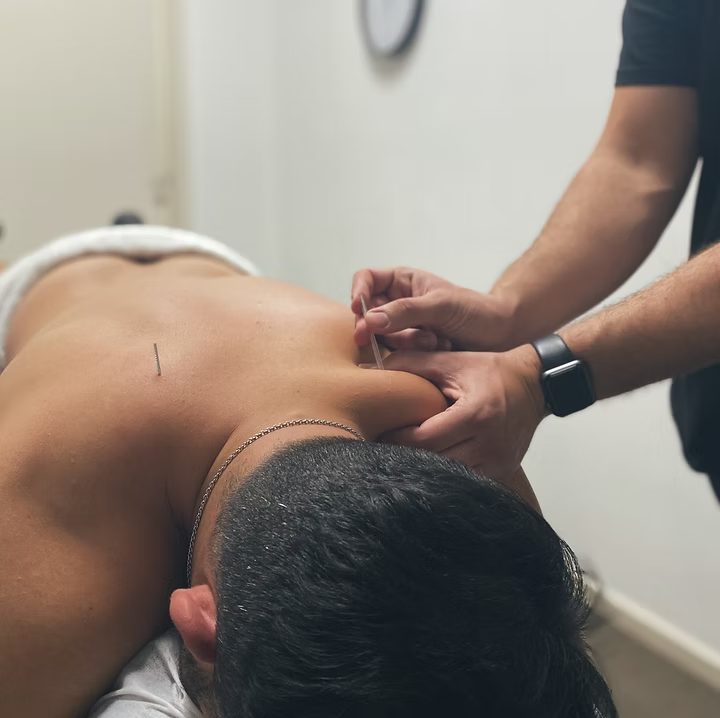
Dry needling treatment at Dynamic Therapy

Resetting Overactive Muscle Knots and Neuromuscular Tightness

When a specific muscle group locks into a state of chronic contraction, it creates a tight band commonly known as a trigger point. These points can limit your movement, reduce local blood circulation, and cause dull, aching pain that standard surface pressure cannot easily reach.

Our evidence-based approach to dry needling serves as a highly precise method to address deep muscular tension. This clinical modality allows us to interact directly with altered neuromuscular structures. By targeting the deeper layers of muscle tissue, trigger point dry needling helps release persistent physical restrictions, providing an effective option for individuals dealing with long-standing sports injuries or chronic postural strain.

The Physiological Mechanics of Dry Needling Treatment

Clinical dry needling therapy relies on established neuroanatomy and musculoskeletal principles. Also known as intramuscular stimulation, it uses sterile, single-use solid filament needles to stimulate specific tissues, producing a localized biochemical response that helps restore normal muscle function.

Our clinical treatments target several key biological pathways:

Trigger Point Deactivation and the Local Twitch Response

An active trigger point contains an elevated concentration of inflammatory chemicals and experiences sustained electrical activity at the motor endplate. When treating myofascial trigger points, inserting a fine needle can trigger a brief local twitch response, which helps normalize electrical activity and lowers chemical irritation.

Local Vasodilation and Accelerated Tissue Healing

The insertion of the micro-needle creates a tiny, controlled focal stimulus in the tissue. This action prompts the body to increase local blood circulation to the area, delivering fresh oxygen and vital nutrients to assist in healing chronically tight or fatigued muscle fibers.

Central Nervous System Pain Modulation

The procedure stimulates deep mechanoreceptors, sending sensory signals up the spinal cord. This process provides significant neuromuscular pain relief by activating your body's natural pain-relief pathways, lowering general pain sensitivity and helping to break the loop of chronic muscular guarding.

Our Evidence-Based Treatment Process

  1. Step 1: Muscle Palpation and Assessment

    We begin by evaluating your range of motion and carefully palpating the target muscle groups to identify the exact location of the taut bands causing your pain or restricting your movement.

  2. Step 2: Sterile Needle Placement and Stimulation

    Using strict clinical hygiene standards, we gently insert a fine filament needle directly into the targeted trigger point. We may apply subtle stimulation to elicit a helpful local twitch response, indicating the muscle is releasing its tension.

  3. Step 3: Functional Range Integration

    Following the needling process, we guide you through gentle, active stretches and mobility movements. This step helps integrate the newly relaxed muscle tissue into your normal movement patterns, supporting long-term flexibility.

Frequently Asked Questions

What is the main difference between dry needling and traditional acupuncture?

Dry needling focuses directly on western medical anatomy, targeting trigger points and tight muscles to restore normal biomechanics. Acupuncture is based on Traditional Chinese Medicine, focusing on regulating the flow of energy along meridian pathways.

Does trigger point dry needling hurt?

You may feel a minor pinch as the needle passes through the skin. When the needle reaches an active trigger point, you will typically feel a brief, dull ache or a quick muscle twitch, which signals that the tissue is releasing its tension.

Can I claim my treatment on my private health insurance?

Yes. We provide on-site HICAPS processing. If your private health insurance cover includes Myotherapy or Remedial Massage, you can claim your rebate immediately at the clinic, leaving only the gap to pay.

I had a deep knot in my hip that massage couldn't clear. The dry needling treatment targeted the spot perfectly, and the muscle released completely by the next day.
Jason M., Patient Review
Book Clinical Assessment

Local Resident: Serving communities across Deer Park, Caroline Springs, St Albans, Cairnlea, and Sunshine West.

Clinical Review Sign-Off

Medically reviewed by Jean-Daniel Finta

Advanced Diploma of Myotherapy | Registered Member, Myotherapy Association Australia (MAA)